Key details: Which conditions shape Jacksonville leaf and yard-debris cleanup?
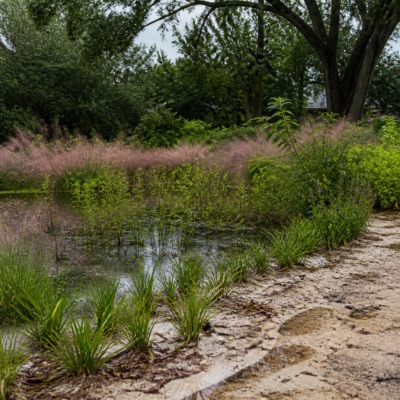
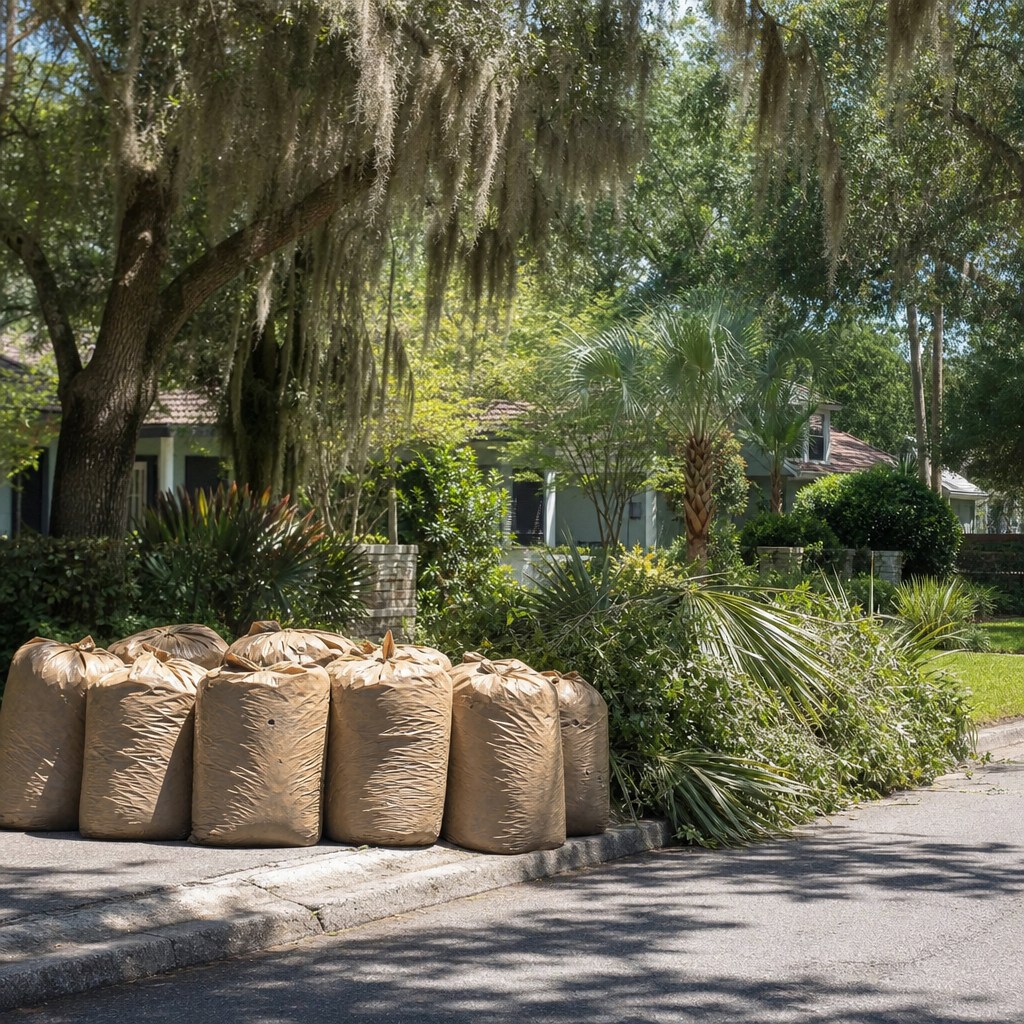
Live-oak litter, pine needles, sandy beds, storm drains, and tropical-weather debris create different collection needs across Duval County. Specify what is removed, what remains as mulch, where material is staged, and how Jacksonville disposal rules apply.
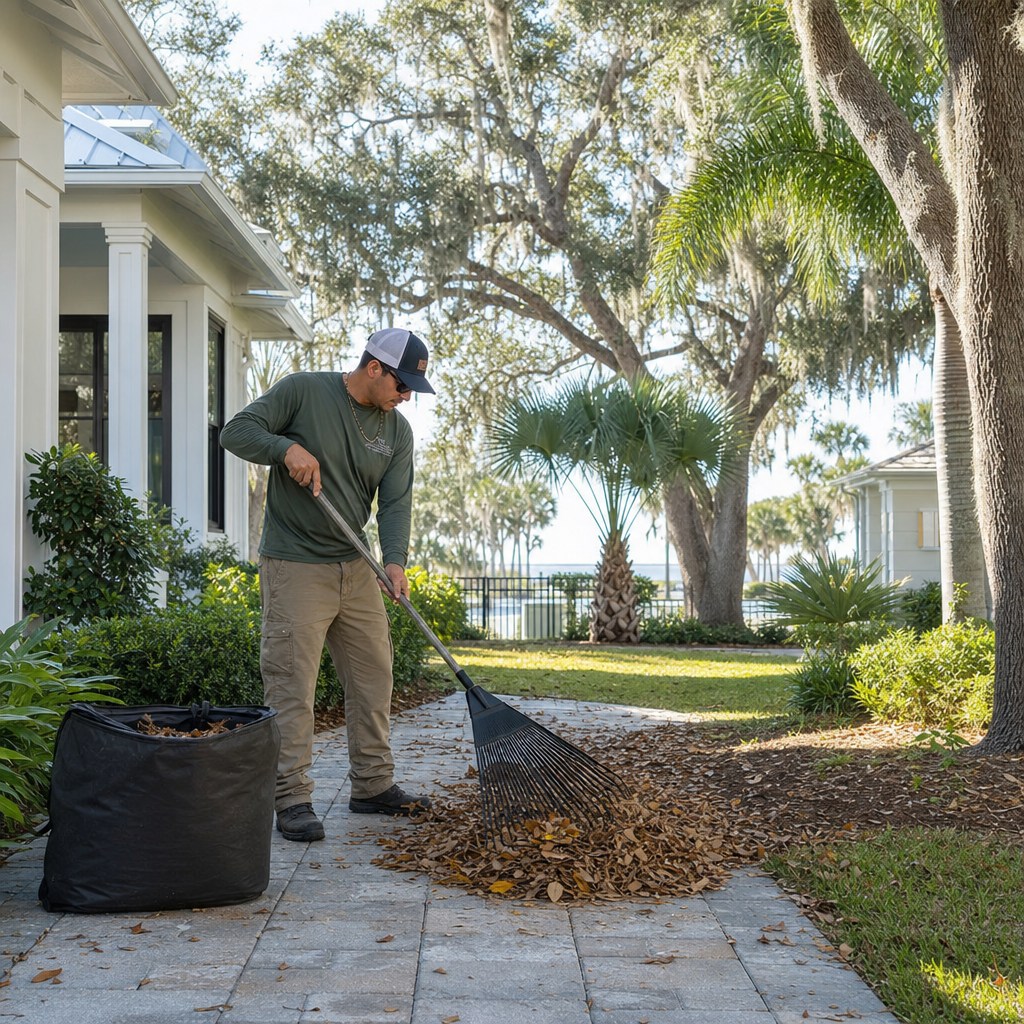
Jacksonville Pro Landscape handles leaf removal, yard debris cleanup, and seasonal prep for homes and commercial properties across Jacksonville, FL. Our crews do it all, from routine fall and spring cleanup to storm debris removal and full bed renovation.
Why Leaf Removal in Jacksonville Is a Year-Round Issue
Most people think leaf removal is just a fall job. In Jacksonville, it spans several seasons. Live oaks — the main shade tree across Duval County — drop their leaves from late February through April, not in autumn like most trees. A homeowner who books only fall cleanup will have a yard full of live oak leaves by March. Red maples drop in November and December. Sweetgums drop leaves and spiky seed pods from October through January. Pecan trees drop leaves and hulls in late fall. Crape myrtles drop leaves in November.
So Jacksonville yards with mature trees need cleanup from October through April — about seven months a year. Our cleanup programs follow Jacksonville’s real leaf-drop calendar, not a generic national one.
A Jacksonville leaf-removal scope should name every collection surface and disposal step. Separate lawn, planting-bed, walkway, driveway, and curb work, then confirm staging, haul-off, cleanup limits, and any excluded material.
Spring Live Oak Cleanup — Live oaks drop huge amounts of leaves and catkins from late February through April. This is the heaviest cleanup time for most Jacksonville yards. We set dedicated spring visits timed to the live oak drop, so your property stays clean through the worst of it.
Storm Debris Removal — Jacksonville’s hurricane season runs June through November. Storms can drop branches, palm fronds, and debris across your yard. We clean up after storms to get your property back in shape fast.
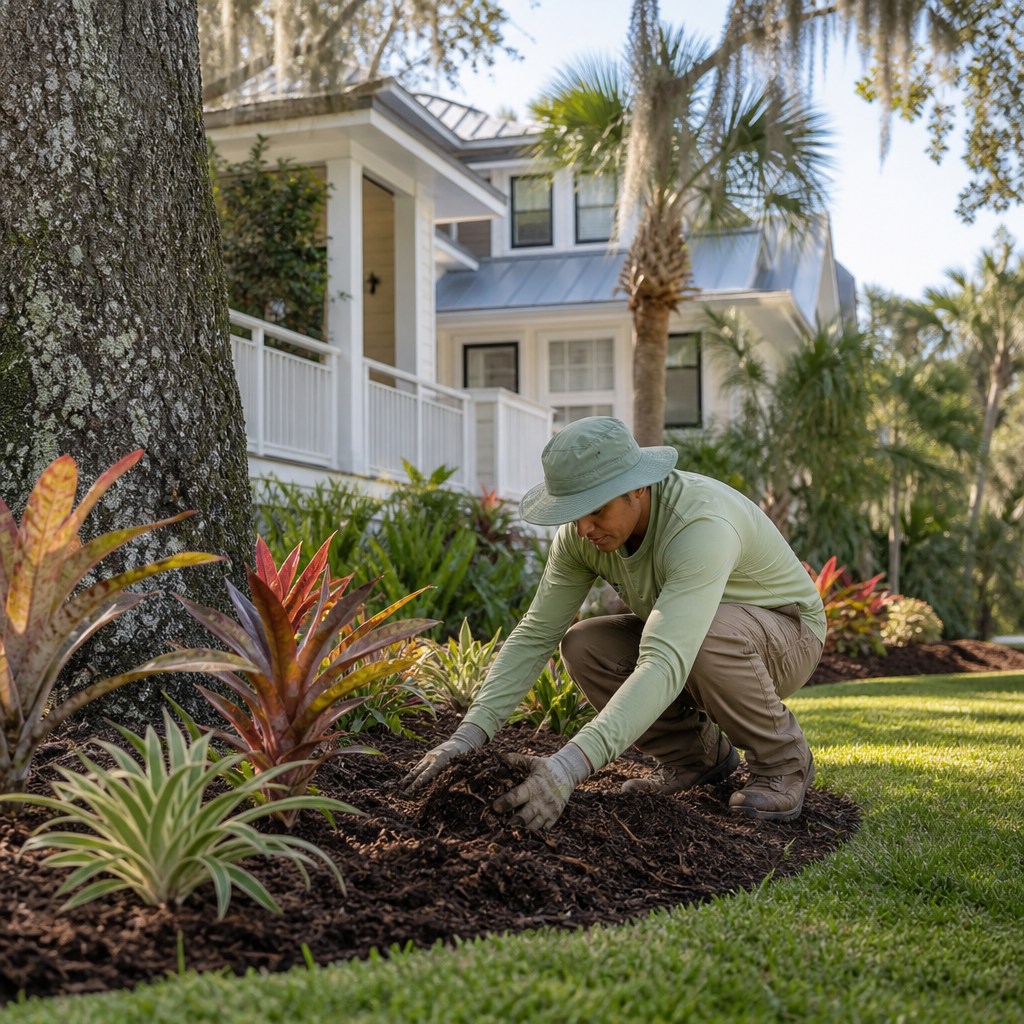
A Jacksonville owner can begin the bed-renovation scope with photographs, measurements, access notes, and priorities. Ask each respondent to define inspection steps, scope limits, supporting sources, charges, and acceptance.
Jacksonville roof-edge scope: Treat roof surfaces, gutters, and ground-level leaf removal as separate line items. Before work begins, confirm safe access, debris collection, disposal, downspout handling, and any areas excluded from the written cleanup scope.
Home leaf removal in Jacksonville runs $150 to $500 per visit by lot size and tree cover. Yards with several mature live oaks, pecans, or sweetgums take more crew time and hauling. Most homeowners who book both a fall and a spring live oak cleanup spend $300 to $800 for the season. Commercial properties are quoted by acreage and canopy.
We also offer seasonal packages that bundle fall cleanup, spring live oak cleanup, and one more visit for storm debris or a mid-season touch-up at a set rate. Ask about package pricing when you call for your estimate.
How should the project detail frame Leaf Removal?
A Jacksonville owner can begin the leaf cleanup request with photographs, measurements, access notes, and priorities. Ask each bidder to define evaluation steps, boundaries, charges, and acceptance.
Process Overview
- Site assessment and consultation
- Written estimate with line-item scope
- Scheduled work window confirmed
- Crew executes against the written estimate
- Completion walkthrough with the homeowner